INNOCENT VICTIMS
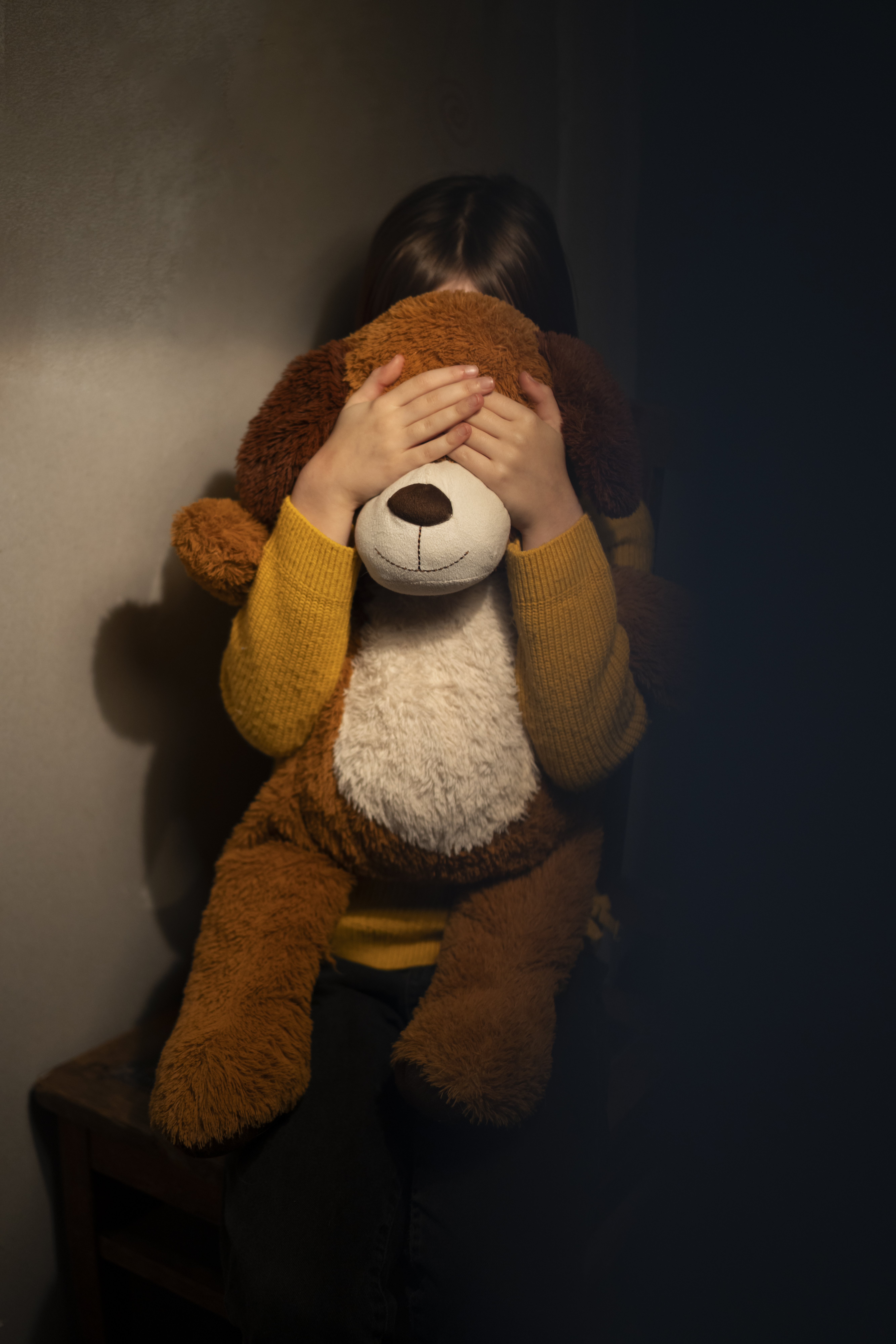
The victim in the case of domestic violence is not only the person at whom the violence is directed at, but also children that are witnessing the abuse. Witnessing violence is an extremely traumatic experience for children and affects their emotional development and social adjustment resulting in emotional, behavioral, and health problems.
Consequences supported by research:
- Children who witnessed partner violence against their mother have a high likelihood to become a victim of intimate partner violence or an abuser when they grow up. Boys who see their mother being abused are 10 times more likely to abuse their female partner as an adult, while girls are more than six times more likely to be sexually abused than girls who grow up in a non-abusive home.
- About 50% of children in Cyprus (aged 12-18) had witnessed some form of domestic violence.
- Women who have experienced abuse in their childhood are at most risk of adult revictimization.
- Exposure to domestic violence has same grave effects as experiencing the abuse directly.
- Witnessing and experiencing domestic violence can cause PTSD, anxiety disorders, and depression, because it is a betrayal by someone who is supposed to be a protector.
- Obsessive-compulsive disorder, social phobia, sexual disorders, PTSD, eating disorders, and suicide attempts are higher in people who witnessed or experienced abuse during childhood.
- Children who witness or are victims of emotional, physical, or sexual abuse are at increased risk for health problems as adults. They may also include diabetes, IBD (Crohn's disease and ulcerative colitis), heart disease, fibromyalgia, chronic fatigue syndrome, and other chronic diseases.
If you are in an abusive relationship, ask for help, make a plan, and leave the abuser. Do it if not for yourself, but for your child. Children need a safe, stable, and loving environment, whether with one parent or two. When making a choice to leave an abusive relationship, you are helping your children feel safer and making them less likely to tolerate abuse when they grow up.
About the Author: Lolita Yambaeva Papacosta
I am a licensed clinical psychologist in Cyprus. I provide therapy and assessment services for adults, children, adolescents, and their parents for a broad range of concerns and mental health issues. I speak Russian, English, and Greek fluently. I see clients in the office and offer online consultations through Skype. I offer a safe, nonjudgmental, and collaborative environment that fosters change and growth. I specialize in the assessment and treatment of a variety of issues including anxiety, depression, bipolar disorder, personality disorders, relationship difficulties, psychotic disorders, addiction, low self-esteem, panic attacks, challenging behavior, school and workplace difficulties, and trauma. I also help chronic disease patients to achieve better adaptation, learn how to manage and possibly reduce the frequency of exacerbations, and improve their overall well-being. It is an amazing feeling to see my clients grow and develop for the better.