
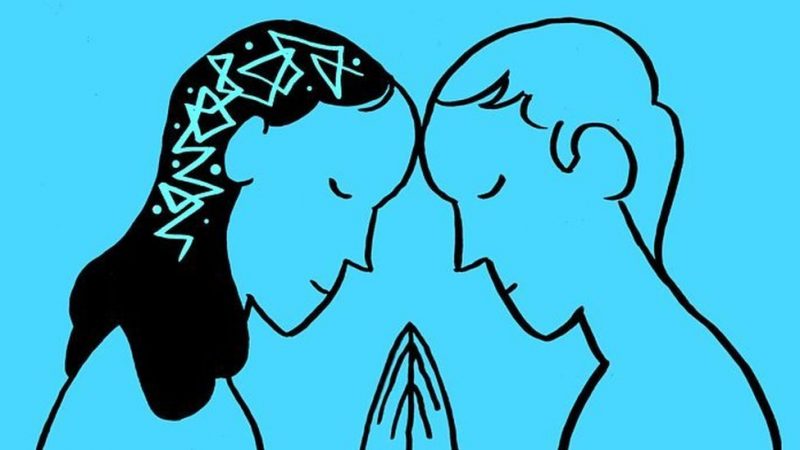
Social factors in understanding and treating psychosis
Psychotic disorders. In the last decade, alternative views on psychotic disorders have gained popularity. Researchers are beginning to question the assumptions of the biomedical (organic) model of psychosis and criticize the effectiveness of psycho-pharmaceutical treatment. Some question the effectiveness of such treatment, considering side effects such as akathisia, while others insist on the need to understand psychosis from a first-person perspective, that is, how the patient experiences it.
Research has noted the positive effect of physical activity, sports, and art therapy in recovering from psychosis. This should be taken into account, as one of the common side effects of antipsychotic medications is weight gain, which in turn leads to cardiovascular problems.
Although practice shows how important social support and communication are for recovery from psychosis, there is very little research on the influence of sociocultural factors on psychosis. Various alternative approaches, such as 'Open Dialogue', have shown significant effectiveness in reducing hospitalizations and the duration of untreated psychosis in patients with their first psychotic episode. Research conducted by Norwegian and American scientists showed that such an integrated approach to treating psychotic disorders, which focuses on psychosocial factors with minimal use of neuroleptics, works equally effectively or even better than an approach that only uses neuroleptics.
Some of the other psychotherapeutic approaches that have shown effectiveness in treating psychosis with minimal use of neuroleptics were:
- cognitive-behavioral therapy,
- psychodynamic therapy,
- various specially developed approaches,
- based on working with patients' families, and others.
Many assumptions of the organic approach, which focuses only on the patient, are refuted. Research results link psychotic episodes with psychological factors, such as past traumatic experiences, especially childhood trauma, and sociocultural factors, such as victimization from violent crimes and social problems (e.g., poverty, unemployment, etc.).
Literature
Cooper, R. E., Laxhman, N., Crellin, N., Moncrieff, J., & Priebe, S. (2019). Psychosocial interventions for people with schizophrenia or psychosis on minimal or no antipsychotic medication: A systematic review. Schizophrenia Research. doi: 10.1016/j.schres.2019.05.020
Link to article in ScienceDirect
Hansen, H., Stige, S. H., Davidson, L., Loberg, E., & Veseth, M. (2019). 'Needing different things from different people' – a qualitative exploration of recovery in first episode psychosis. Social Work in Mental Health. doi: 10.1080/15332985.2019.1679324
Link to article in Taylor & Francis Online
Lehtinen, V. (2000). Two-year outcome in first-episode psychosis treated according to an integrated model. Is immediate neuroleptisation always needed? European Psychiatry, 15(5), 312–320. doi: 10.1016/s0924-9338(00)00400-4
About the Author: Lolita Yambaeva Papacosta
I am a licensed clinical psychologist in Cyprus. I provide therapy and assessment services for adults, children, adolescents, and their parents for a broad range of concerns and mental health issues. I speak Russian, English, and Greek fluently. I see clients in the office and offer online consultations through Skype. I offer a safe, nonjudgmental, and collaborative environment that fosters change and growth. I specialize in the assessment and treatment of a variety of issues including anxiety, depression, bipolar disorder, personality disorders, relationship difficulties, psychotic disorders, addiction, low self-esteem, panic attacks, challenging behavior, school and workplace difficulties, and trauma. I also help chronic disease patients to achieve better adaptation, learn how to manage and possibly reduce the frequency of exacerbations, and improve their overall well-being. It is an amazing feeling to see my clients grow and develop for the better.